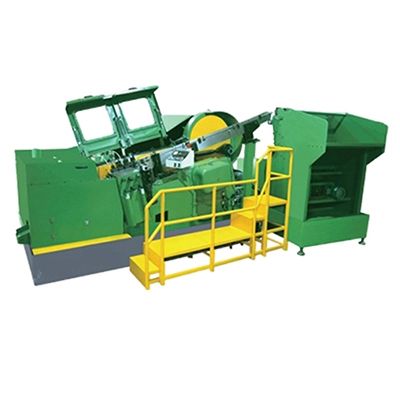
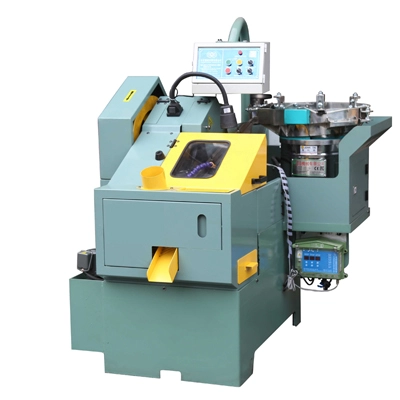
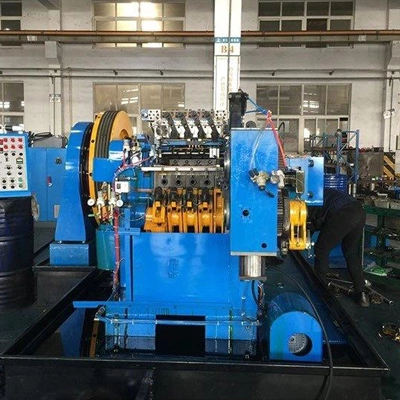
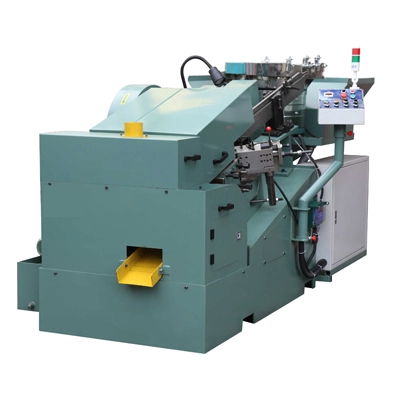
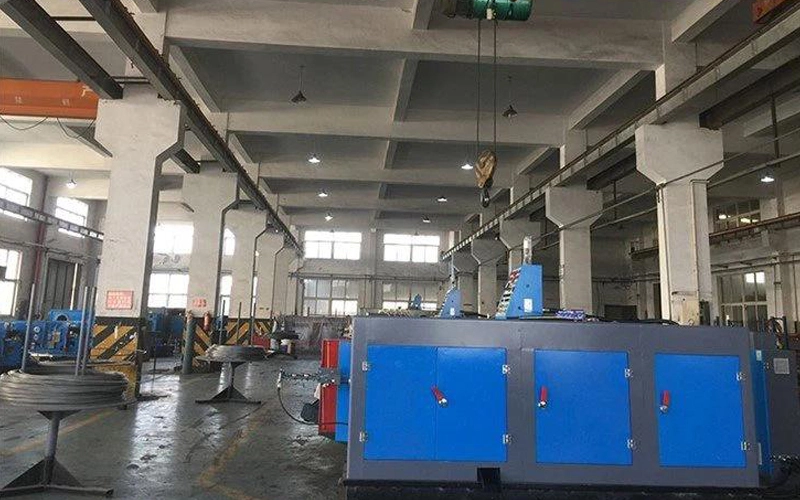
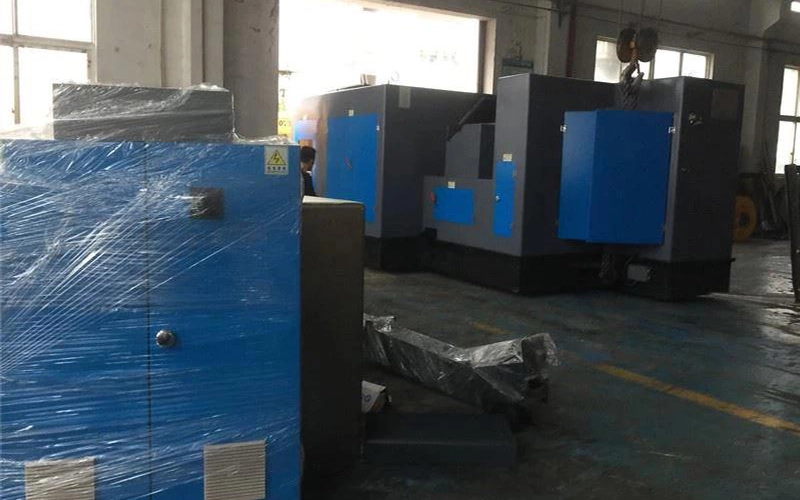
The fastener manufacturing industry is facing increasing demands for higher production speed, better precision, and lower material waste. As manufacturers look for more efficient forming solutions, the multi station cold forging machine has become an important technology for producing high-quality bolts, nuts, screws, and other precision metal components.
Unlike traditional forming methods that require multiple separate operations, advanced multi-station technology integrates several forming steps into one continuous process. This helps manufacturers improve productivity, reduce processing time, and maintain consistent product quality.
For companies investing in modern fastener production lines, understanding how a multi station cold forging machine works and how it compares with conventional equipment is essential. This article explains its working principles, production advantages, applications, and key factors to consider before selecting suitable equipment.
What Is a Multi Station Cold Forging Machine?
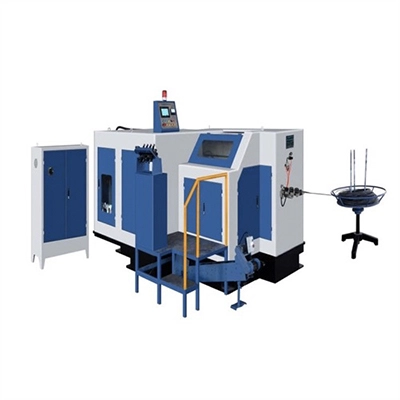
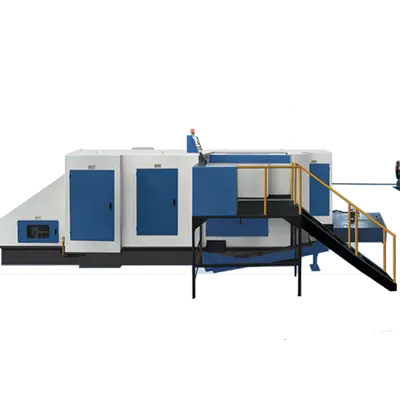
A multi station cold forging machine is an advanced metal forming system that uses multiple forming stations to reshape metal wire into finished or semi-finished components through high-pressure forming at room temperature.
Compared with a standard cold forging machine, which may complete only one or two forming operations, a multi-station system can perform several processes continuously, such as upsetting, extrusion, trimming, and shaping. This design allows manufacturers to produce complex components with fewer production steps.
The machine usually consists of multiple dies and punches arranged in different stations. During operation, metal material moves automatically from one station to the next, with each station completing a specific forming process. This continuous workflow improves efficiency while maintaining high dimensional accuracy.
A typical multi station cold forging machine is widely used in industries requiring large quantities of precision fasteners, including automotive manufacturing, construction equipment, machinery, electronics, and industrial hardware.
For manufacturers producing bolts and nuts, this technology is especially valuable because it combines speed, accuracy, and material-saving advantages. Modern equipment can also work as an advanced bolt and nut making machine, supporting large-scale production with consistent output quality.
How Does a Multi Station Cold Heading Machine Improve Production Efficiency?
A multi station cold forging machine improves manufacturing efficiency by combining multiple forming operations into a single automated production process. Instead of transferring components between different machines, manufacturers can complete several stages within one system.
Reducing Production Steps
Traditional fastener production may require multiple machines to complete forming, shaping, and finishing processes. This increases handling time and creates more opportunities for production errors.
With multi-station technology, different forming operations are completed sequentially inside one machine. This reduces manual intervention, shortens production cycles, and improves overall manufacturing efficiency.
Improving Material Utilization
Cold forging technology is already known for reducing material waste compared with machining processes. A modern cold forging machine further improves material efficiency by precisely controlling forming operations.
Because the metal is reshaped rather than cut away, manufacturers can achieve higher material utilization rates. In large-scale production, even a small reduction in material waste can create significant cost savings.
Increasing Production Speed and Consistency
A multi-station system is designed for continuous operation. Depending on machine specifications and component requirements, advanced equipment can produce thousands of parts per hour.
The major efficiency improvements include:
Continuous automated feeding
Multiple forming operations in one cycle
Reduced production transfer time
Improved product consistency
For manufacturers producing millions of fasteners annually, upgrading to a modern cold heading machine can significantly improve production capacity.
Multi Station Cold Forging Machine vs Traditional Cold Forging Machine
Both multi-station and traditional cold forging equipment use pressure forming technology, but their production capabilities are different. Understanding these differences helps manufacturers select the right equipment according to production requirements.
| Comparison Factor | Multi Station Cold Forging Machine | Traditional Cold Forging Machine |
|---|
| Forming process | Multiple operations in one machine | Limited forming operations |
| Production efficiency | Higher continuous production speed | Lower output capacity |
| Component complexity | Suitable for complex parts | Mainly simple components |
| Material utilization | Optimized through precise forming | Good but more limited |
| Automation level | Advanced automatic operation | Usually simpler configuration |
A traditional cold forging machine can be suitable for basic fasteners and smaller production volumes. However, when manufacturers need higher output, complex shapes, and improved consistency, multi-station equipment provides greater advantages.
The ability to complete multiple forming stages in one production cycle makes the multi station cold forging machine a preferred solution for modern fastener manufacturers.
What Parts Can Be Produced by Multi Station Cold Forging Equipment?
A multi station cold forging machine is designed for producing a wide range of precision metal components. Its flexible forming capability allows manufacturers to create different shapes while maintaining high accuracy and production efficiency.
Common applications include automotive fasteners, industrial hardware, and precision mechanical parts.
Automotive Fasteners
The automotive industry requires millions of high-strength fasteners every year. Multi-station cold forging equipment is commonly used to manufacture:
The high production speed and consistent quality make this technology suitable for automotive mass production.
Industrial Hardware Components
Many industrial applications require durable and accurate metal parts. A bolt and nut making machine based on multi-station technology can produce:
Bolts
Nuts
Rivets
Pins
Special-shaped fasteners
Precision Components
Advanced forming control allows manufacturers to produce components with complex structures and strict dimensional requirements.
These advantages make multi-station technology suitable for industries including machinery, electronics, construction, and equipment manufacturing.
Key Factors to Consider When Choosing Multi Station Cold Forging Equipment
Selecting the right equipment requires careful evaluation of production requirements, machine performance, and supplier capability. A suitable multi station cold forging machine should match the manufacturer’s product specifications, output goals, and operating conditions.
Machine Configuration and Production Capacity
Different products require different forming capabilities. Buyers should consider:
A machine designed for simple fasteners may not be suitable for producing complex automotive components.
Equipment Quality and Precision
The quality of machine components directly affects production stability. Important factors include frame strength, die accuracy, control systems, and transmission reliability.
High-precision equipment helps reduce defects, improve production consistency, and extend machine service life.
Technical Support and Maintenance
Long-term equipment performance depends not only on machine quality but also on technical support. Manufacturers should evaluate whether suppliers provide installation guidance, spare parts availability, and maintenance assistance.
Choosing an experienced supplier can help companies maximize the benefits of their cold heading forming machine investment.
Why Manufacturers Prefer Advanced Cold Heading Technology
Advanced cold heading technology has become increasingly popular because it provides advantages in efficiency, cost control, and production quality.
Compared with traditional machining methods, cold heading reduces material removal and improves production speed. For high-volume fastener manufacturing, these advantages directly influence profitability.
Modern cold forging machine designs also integrate improved automation systems, allowing manufacturers to achieve stable operation with reduced labor requirements.
In addition, advanced cold heading machine technology supports the production of lightweight yet strong components, which is especially important in industries such as automotive and industrial equipment manufacturing.
Shinetop focuses on providing reliable forming equipment for manufacturers requiring efficient and stable production solutions. With advanced machine design and practical application experience, Shinetop helps customers improve fastener production efficiency and maintain consistent product quality.
FAQ
What is a multi station cold forging machine?
A multi station cold forging machine is industrial equipment that uses multiple forming stations to complete several metal forming operations in one continuous production process.
What is the difference between a cold forging machine and a multi station cold forging machine?
A standard cold forging machine may complete limited forming operations, while a multi-station machine integrates multiple processes for higher efficiency and more complex components.
What products can be made with a multi station cold forging machine?
It can produce bolts, nuts, screws, rivets, pins, automotive fasteners, and other precision metal components.
Why is cold heading technology important for fastener manufacturing?
Cold heading technology improves material utilization, increases production speed, and helps manufacturers achieve consistent product quality.
How do I choose the right bolt and nut making machine?
Consider production volume, component requirements, machine accuracy, automation level, and supplier technical support before making a decision.
Conclusion
A multi station cold forging machine improves fastener manufacturing efficiency by combining multiple forming processes into one automated system. With higher productivity, better material utilization, and consistent quality, advanced cold forging machine technology helps manufacturers achieve more efficient and reliable production.
 English
 中文
中文
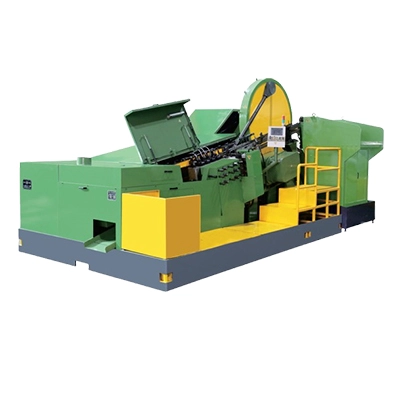 Thread Cold Rolling Machine
ST-4R-50 High-Speed Thread Rolling Machine ST-8R-83(120) High-Speed Thread Rolling Machine ST-6R-80 High-Speed Thread Rolling Machine ST-4A-50 High-Speed Thread Rolling Machine ST-4A-25 High-Speed Thread Rolling Machine ST-10N-150 High-Speed Thread Rolling Machine ST-30N High-Speed Thread Rolling Machine ST-60N(M16-150) High-Speed Thread Rolling Machine ST-60N(M16-200) High-Speed Thread Rolling Machine ST-12N-150 High-Speed Thread Rolling Machine ST-3A-25 High-Speed Thread Rolling Machine ST-3 High-Speed Thread Rolling Machine ST-80N High-Speed Thread Rolling Machine ST-90S High-Speed Thread Rolling Machine ST-100-M40 High-Speed Thread Rolling Machine ST-70N End Milling Machine
Thread Cold Rolling Machine
ST-4R-50 High-Speed Thread Rolling Machine ST-8R-83(120) High-Speed Thread Rolling Machine ST-6R-80 High-Speed Thread Rolling Machine ST-4A-50 High-Speed Thread Rolling Machine ST-4A-25 High-Speed Thread Rolling Machine ST-10N-150 High-Speed Thread Rolling Machine ST-30N High-Speed Thread Rolling Machine ST-60N(M16-150) High-Speed Thread Rolling Machine ST-60N(M16-200) High-Speed Thread Rolling Machine ST-12N-150 High-Speed Thread Rolling Machine ST-3A-25 High-Speed Thread Rolling Machine ST-3 High-Speed Thread Rolling Machine ST-80N High-Speed Thread Rolling Machine ST-90S High-Speed Thread Rolling Machine ST-100-M40 High-Speed Thread Rolling Machine ST-70N End Milling Machine