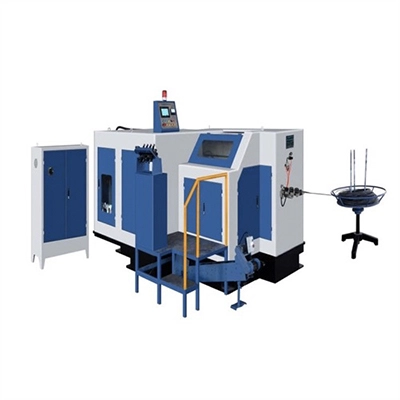
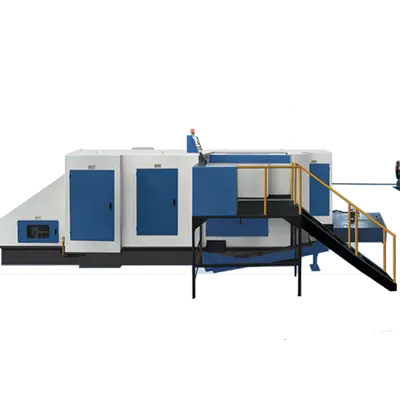
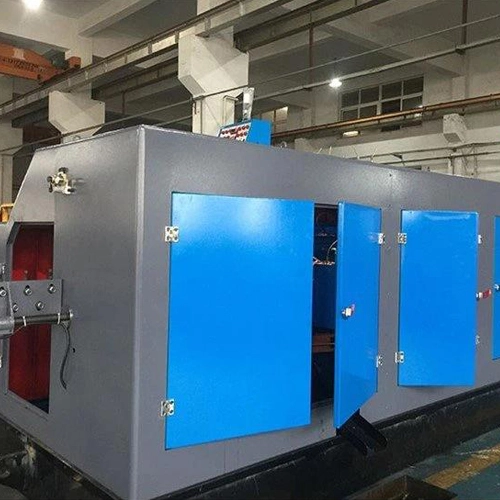
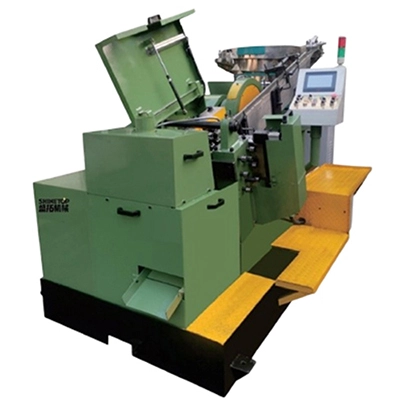
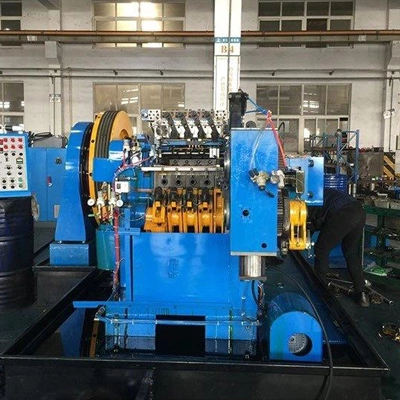
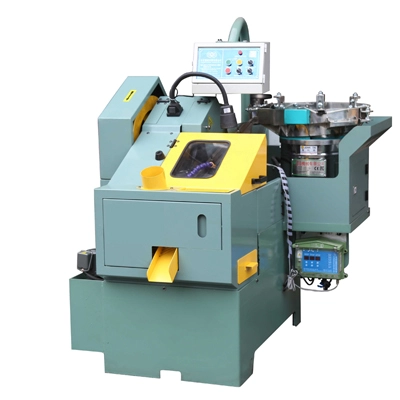
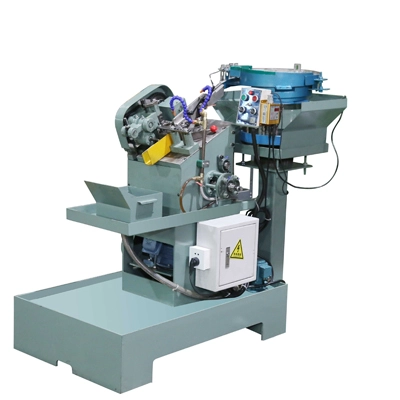
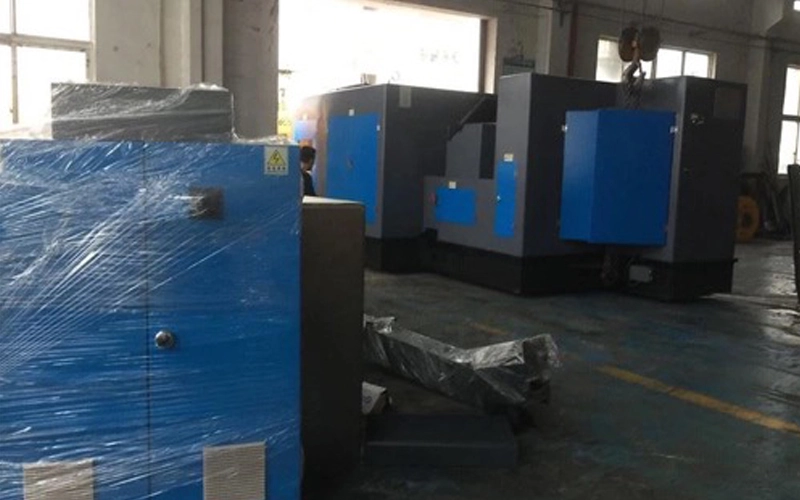
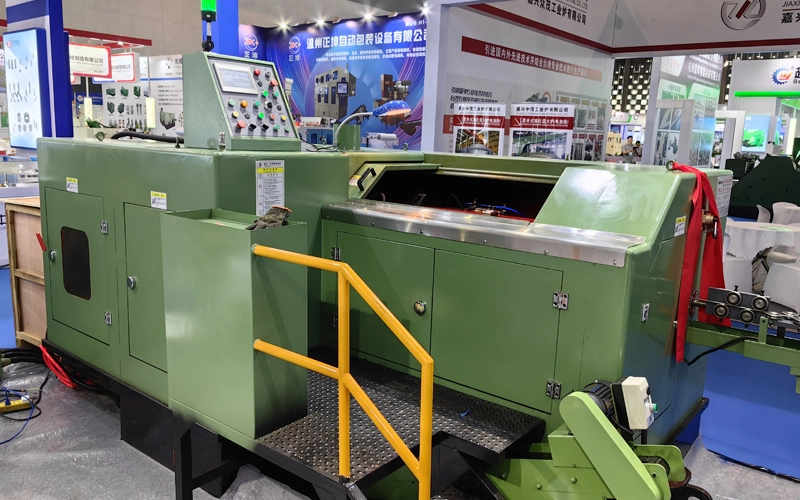
In today's competitive fastener industry, automatic thread rolling machines have become the preferred solution for manufacturers seeking higher productivity, better thread quality, and lower production costs. These machines use cold forming technology to create precise external threads through plastic deformation rather than material removal, resulting in stronger threads with improved fatigue resistance and zero material waste.
As an experienced thread rolling machine supplier and manufacturer, Shinetop specializes in high-speed flat-die automatic thread rolling machines. With ISO 9001 certification, CE marking, and exports to over 25 countries including Russia, India, Turkey, Brazil, and South Korea, Shinetop delivers reliable, high-performance equipment tailored to modern fastener production needs.
This comprehensive guide covers everything you need to know about automatic thread rolling machines — from working principles and types to selection criteria, maintenance, and why Shinetop is the right thread rolling machine supplier for your business.
What Is an Automatic Thread Rolling Machine and How Does It Work?
An automatic thread rolling machine (also known as a thread roller or flat-die thread roller) forms threads by pressing hardened dies into a rotating metal blank under high pressure. This cold forming process reshapes the material's surface without cutting, preserving the grain flow for stronger threads.
The Cold Rolling Process – Step by Step:
Automatic Feeding — Blanks are fed via vibratory bowl or hopper into the rolling zone with precise alignment.
High-Pressure Rolling — The blank passes between reciprocating or rotating dies that imprint the inverse thread profile. High compressive forces cause the metal to flow into the die grooves.
Work Hardening — The process increases surface hardness and tensile strength, typically by 10–30%.
Automatic Ejection & Counting — Finished parts are automatically ejected, counted, and conveyed for the next process.
Shinetop's PLC-controlled machines ensure consistent performance with minimal operator intervention, making them ideal for 24/7 high-volume production.
Thread Rolling vs. Thread Cutting
Thread rolling outperforms cutting in most high-volume scenarios:
Parameter | Thread Cold Rolling (Forming) | Thread Cutting |
Process Principle | Plastic deformation (material is displaced, not removed) | Material is removed by cutting tool |
Thread Strength | Typically higher (+20–30% compared to cutting under same material conditions due to work hardening) | Baseline strength (no work hardening effect) |
Material Waste | No chips, near-zero waste | 10–20% material loss as chips (varies by design) |
Surface Finish | Generally Ra 0.4–0.8 μm (depending on material and die condition) | Typically Ra 1.6–3.2 μm (can vary with tooling and machining parameters) |
Production Efficiency | Very high, ~0.2–1 second per part in mass production | Lower, ~3–30 seconds per part depending on machining method |
Best Suitable Applications | High-volume production of standard fasteners, automotive parts, precision components | Prototyping, low-volume production, hard or brittle materials, complex internal threads |
Important Note
Actual performance values may vary depending on:
Material type (carbon steel, stainless steel, aluminum, etc.)
Thread geometry and size
Lubrication conditions
Die/tool quality and machine setup
Types of Automatic Thread Rolling Machines
Thread rolling machines are generally classified based on die configuration and forming method. Among them, flat-die systems are the most widely used in high-volume fastener manufacturing due to their efficiency and stability.
1. Flat-Die Thread Rolling Machines (Most Common Type)
Flat-die machines use two reciprocating flat dies to form threads through linear pressure.
They are widely used in high-volume production environments, especially for standard fasteners.
Typical characteristics:
High production efficiency, commonly used in mass production lines (approximately 60–480 pcs/min depending on material and part size)
Suitable for small to medium fasteners (e.g., M1.2–M40)
Applicable thread length: typically up to 200+ mm depending on machine design
Stable performance for carbon steel, alloy steel, and other ductile materials
Best suited for:
Standard bolts, screws, automotive fasteners, and general industrial components
2. Cylindrical-Die (Rotary / Infeed) Thread Rolling Machines
Cylindrical-die machines use rotating round dies to gradually form threads through continuous feeding.
They are commonly used for more complex or specialized thread profiles.
Typical characteristics:
Suitable for longer threads and fine-pitch applications
Capable of producing special profiles such as ACME threads, worm threads, and ball screw forms
Provides smoother forming process for certain precision components
Best suited for:
Precision mechanical parts, lead screws, and specialized industrial applications
3. Three-Die Planetary Thread Rolling Machines
Three-die systems use three synchronized dies arranged symmetrically around the workpiece.
This design helps reduce stress concentration during forming.
Typical characteristics:
Balanced force distribution reduces deformation risk
Suitable for thin-walled or hollow parts
Helps maintain dimensional stability during forming
Best suited for:
Thin-walled components, hollow fasteners, and parts requiring minimal distortion
Shinetop Automatic Thread Rolling Machine Series
Shinetop offers a full range of high-speed flat-die models covering M1.2 to M40. All machines feature advanced automation, durable design, and proven performance.
Popular Models Specifications:
Model | Thread Diameter | Max Thread Length | Output (pcs/min) | Best For |
ST-4A-25 | M1.2–M4 | 20–30 mm | 400–480 | Micro & small screws |
ST-4R-50 | M2–M5 | 50 mm | 280–360 | Small fasteners |
ST-6R-80 | M3–M6 | 80 mm | 220–290 | Standard bolts |
ST-8R-83(120) | M4–M8 | 83–120 mm | 160–240 | Medium fasteners |
ST-10N-150 | M5–M10 | 150 mm | 120–180 | Larger bolts |
ST-12N-150 | M6–M12 | 120–150 mm | 100–180 | Medium-heavy bolts |
ST-60N (M16) | M10–M16 | 150–200 mm | 60–160 | Heavy-duty bolts |
ST-80N | M12–M20 | 200 mm | 50–100 | Structural fasteners |
ST-90S | M16–M30 | 150+ mm | 30–80 | Large bolts |
ST-100-M40 | Up to M40 | Custom | 20–60 | Anchor & large bolts |
Note: Specifications may vary slightly by configuration. Contact us for detailed datasheets and custom solutions.
Key Benefits of Shinetop High-Speed Automatic Thread Rolling Machines
Exceptional Productivity — Speeds up to 400–480 pcs/min for small fasteners.
Superior Quality — Continuous grain flow improves fatigue resistance for demanding applications.
Cost Efficiency — Near 100% material utilization and long die life reduce per-part costs.
Reliability — Robust construction, pneumatic clutch, PLC control, and CE certification.
Automation Ready — Easy integration with feeders, inspection systems, and Industry 4.0 solutions.
How to Choose the Right Automatic Thread Rolling Machine & Supplier
Choosing the right machine and thread rolling machine supplier is critical for long-term success. Consider these key criteria:
Production Volume & Speed — Match output to your daily/weekly targets with 20% headroom.
Thread Specifications — Diameter, length, pitch, and profile requirements.
Material Compatibility — Suitable for ductile metals up to HRC 40.
Automation & Integration — PLC control, feeding systems, and Industry 4.0 readiness.
Die Quality & Changeover — High-quality HSS dies and quick-change systems.
Supplier Reliability — ISO/CE certification, export experience, after-sales support, and spare parts availability.
Total Cost of Ownership — Balance initial investment with productivity, maintenance, and service.
Shinetop stands out with comprehensive product range, strong R&D, and dedicated global support.
Industry Applications of Thread Rolling Machines
Shinetop automatic thread rolling machines serve diverse industries:
Automotive — Engine, chassis, and body fasteners (a typical car uses 2,000–3,500 threaded parts).
Construction & Infrastructure — Structural bolts and anchor rods (M16–M40).
Wind Energy — High-strength foundation and flange bolts.
Railway — Track and rolling stock fasteners.
Electronics & Consumer Goods — Precision micro screws.
Our machines help customers transition from thread cutting to rolling, achieving significant improvements in output and quality.
Maintenance Best Practices & After-Sales Support
Proper maintenance is essential to ensure long-term performance and stability of an automatic thread rolling machine.
Recommended maintenance practices include:
Regular lubrication of moving components
Routine inspection of rolling dies for wear
Cleaning of chips and debris from working areas
Checking alignment and machine calibration periodically
Replacing worn parts in a timely manner
After-sales support typically includes:
Technical guidance for installation and operation
Spare parts supply (dies, bearings, rollers, etc.)
Remote troubleshooting support
Optional on-site service depending on customer requirements
With proper maintenance and reliable support, a thread rolling machine can operate efficiently for many years with minimal downtime.
Conclusion
Thread cold rolling machines produce stronger threads faster and with less material waste than any alternative process, making them the standard for high-volume fastener production. Selecting the right machine requires matching thread diameter range, length capacity, and output speed to your production requirements, then evaluating die system and automation integration.
Shinetop offers a complete range of high-speed flat-die thread rollers from M1.2 (ST-3) to M40 (ST-100-M40), all CE-marked and backed by ISO 9001:2008 quality certification. To request detailed specifications, sample pricing, or a quote for your application, contact Shinetop directly via the website inquiry form.
 English
 中文
中文
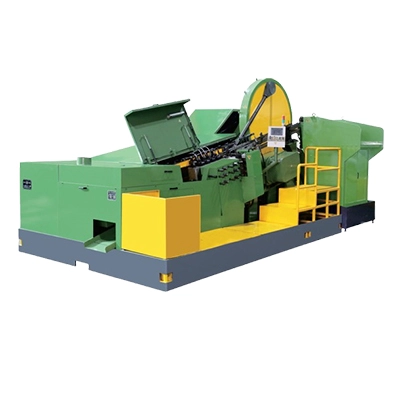 Thread Cold Rolling Machine
ST-4R-50 High-Speed Thread Rolling Machine ST-8R-83(120) High-Speed Thread Rolling Machine ST-6R-80 High-Speed Thread Rolling Machine ST-4A-50 High-Speed Thread Rolling Machine ST-4A-25 High-Speed Thread Rolling Machine ST-10N-150 High-Speed Thread Rolling Machine ST-30N High-Speed Thread Rolling Machine ST-60N(M16-150) High-Speed Thread Rolling Machine ST-60N(M16-200) High-Speed Thread Rolling Machine ST-12N-150 High-Speed Thread Rolling Machine ST-3A-25 High-Speed Thread Rolling Machine ST-3 High-Speed Thread Rolling Machine ST-80N High-Speed Thread Rolling Machine ST-90S High-Speed Thread Rolling Machine ST-100-M40 High-Speed Thread Rolling Machine ST-70N End Milling Machine
Thread Cold Rolling Machine
ST-4R-50 High-Speed Thread Rolling Machine ST-8R-83(120) High-Speed Thread Rolling Machine ST-6R-80 High-Speed Thread Rolling Machine ST-4A-50 High-Speed Thread Rolling Machine ST-4A-25 High-Speed Thread Rolling Machine ST-10N-150 High-Speed Thread Rolling Machine ST-30N High-Speed Thread Rolling Machine ST-60N(M16-150) High-Speed Thread Rolling Machine ST-60N(M16-200) High-Speed Thread Rolling Machine ST-12N-150 High-Speed Thread Rolling Machine ST-3A-25 High-Speed Thread Rolling Machine ST-3 High-Speed Thread Rolling Machine ST-80N High-Speed Thread Rolling Machine ST-90S High-Speed Thread Rolling Machine ST-100-M40 High-Speed Thread Rolling Machine ST-70N End Milling Machine